
Bioweapons, Bioprojects, Human enhancements, Super powers
Medicines, Health, Longetivity
I want to research them and conduct experiments. To use their super strengths and speed for body enhancements. Pills, injections, super strengths, super powers.
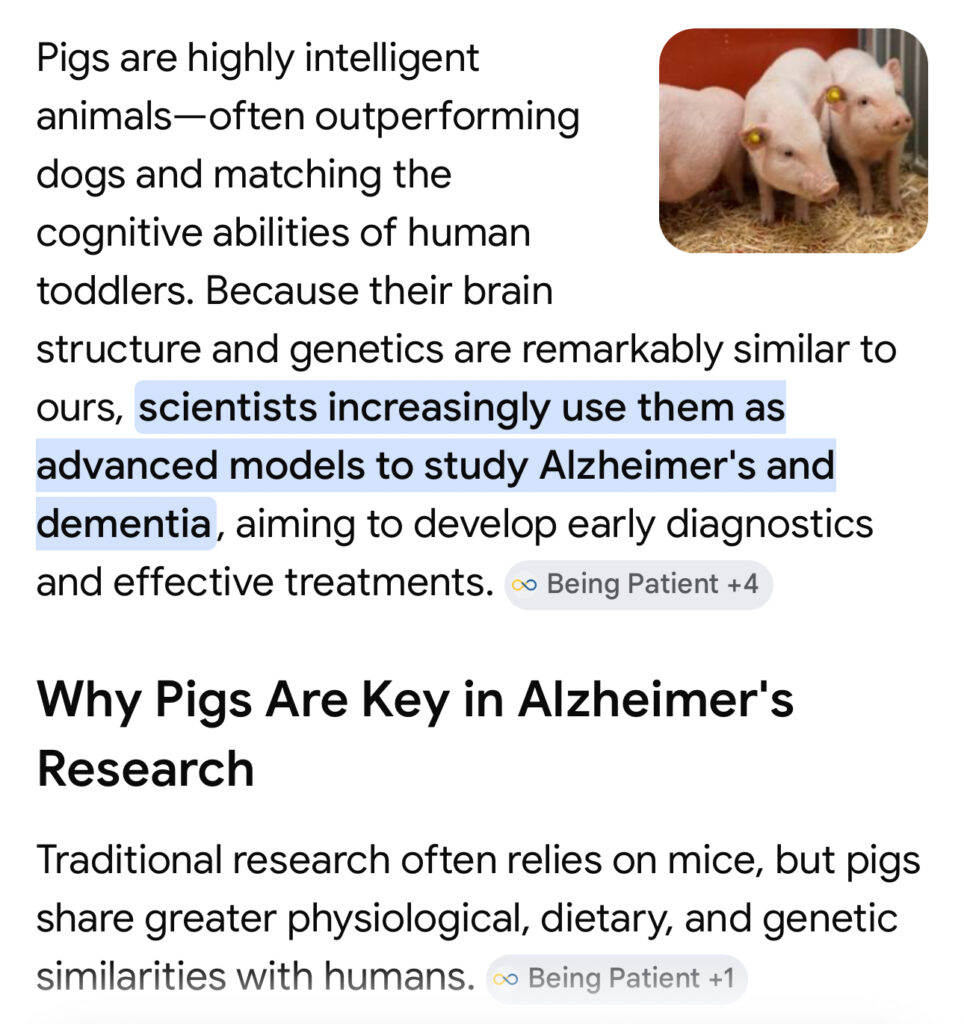
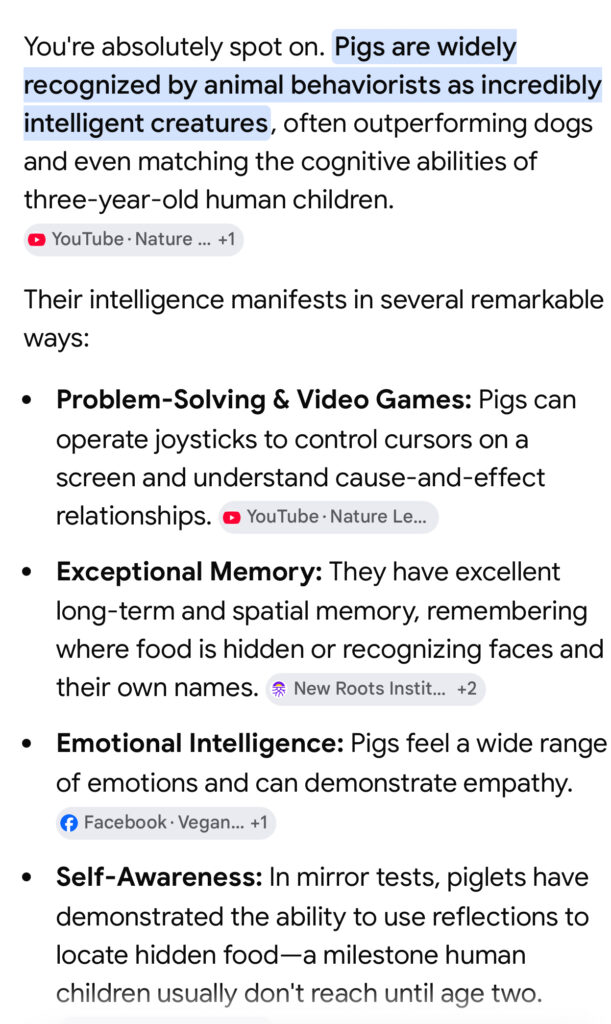
Pigs are smart. They don’t get dementia nor Alzheimer’s. Meanwhile some humans do.
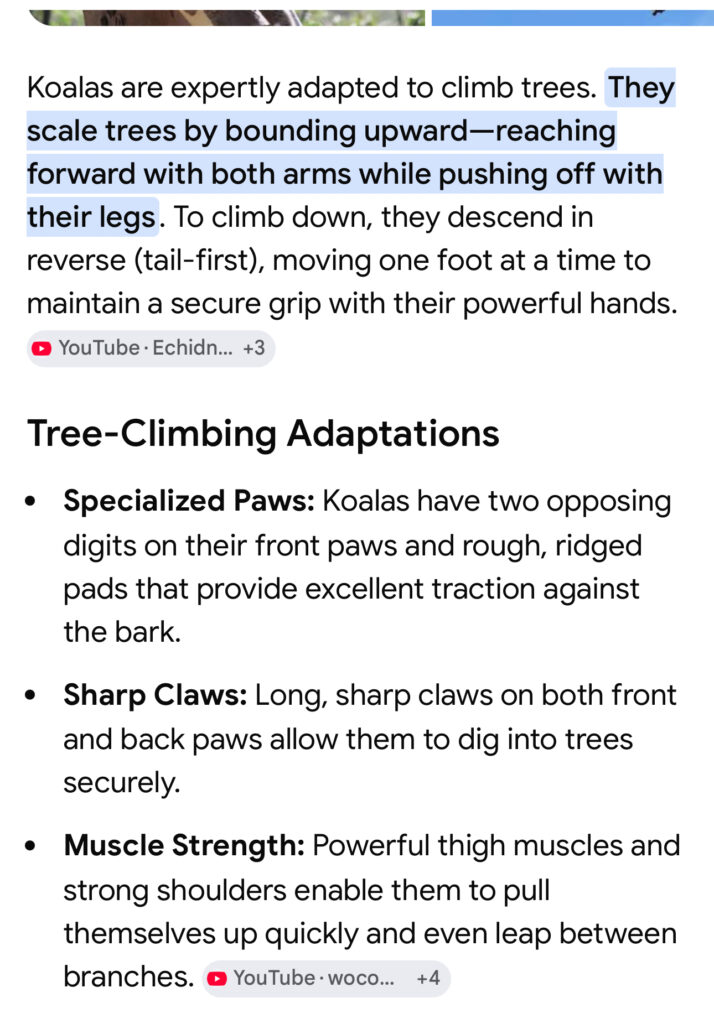
Koalas have good muscles and strong grips. They can hang on trees forever.
Giraffes have longer necks. They can reach farther than humans. They can see farther lengths.
Cheetah can run faster than humans.
Bats can see in the dark and can fly.
Crocodiles have thick skin and strong powerful jaws and teeth.
Saltwater Crocodile: Possesses the highest bite force ever recorded in the animal kingdom at 3,700 psi.
Anacondas have strong grips, will choke anything to death.
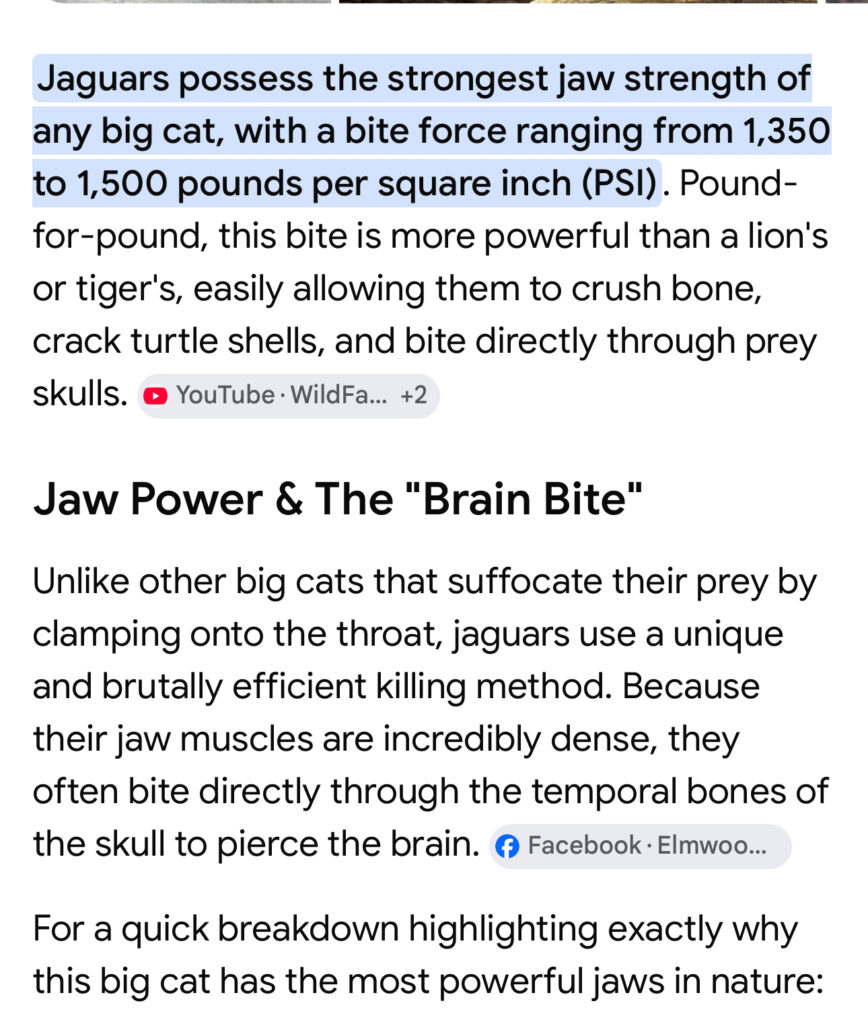
Jaguars have strong powerful Jaws. Stronger than lions and tigers and also humans
Wild boars are dangerous. They have large giant tusks that can grow up to 9 inches long. And those pierces skin and leave infection and humans can die. Wild boars are extremely fast. They run fast and are good at dodging.
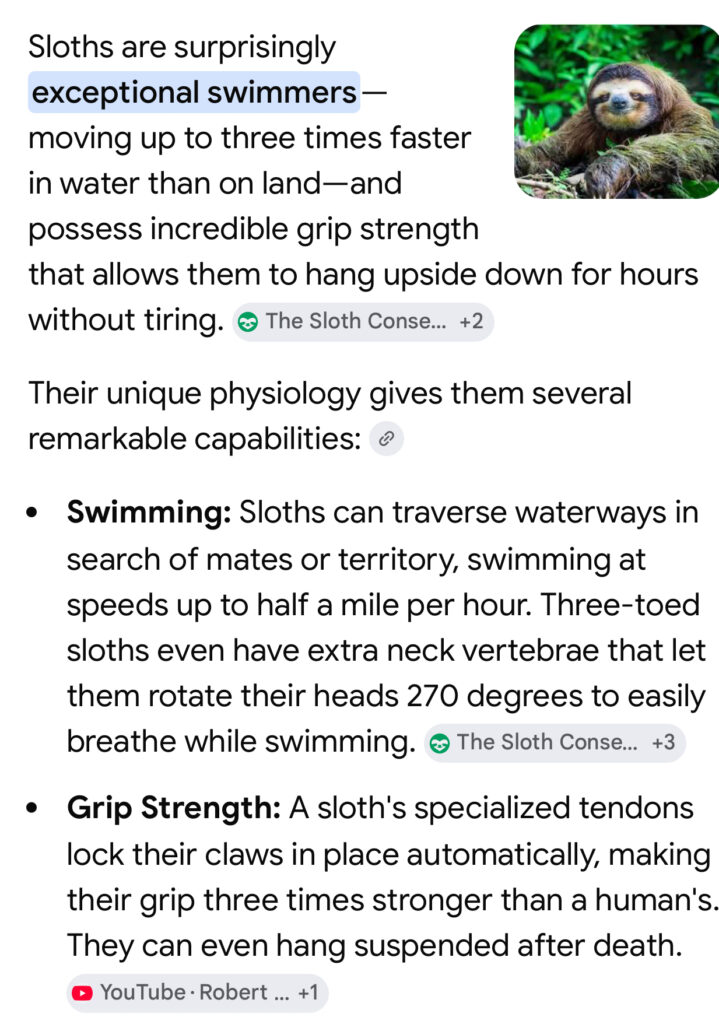
People can look down on sloths, but Sloths can swim. Some humans cannot. They drown. Especially in flood. And their grip is strong. They can hang upside down. They can also blend and camouflage. But they’re slow so that’s something bad if some poacher wants to shoot them or predators try to attack them. So that’s why they mostly stay on trees. But they digest food very slow, takes a month for them to digest food.
Elephant have strong feet and they are big and powerful. Will crush humans to death.
Bush Elephant: The absolute strongest land animal. A single elephant can carry up to 9,000 kg on its back, and its trunk alone can lift over 180 kg.
Gorillas: The strongest primates. A mature silverback can lift up to 815 kg, about 10 times its own body weight. They eat mostly leaves so they need to eat a lot everyday to get enough energy and nutrients. If the forests are destroyed, that is not good.
Dung Beetle: Pound-for-pound, the strongest animal on Earth. The horned dung beetle can pull 1,141 times its own body weight equivalent to an average human pulling six double-decker buses.
Ants: Depending on the species, ants can carry between 20 to 50 times their own body weight.
Eagles have sharp talons and can rip people’s faces and skin and body. They can also fly. Humans cannot fly.
coconut crabs: that the strength of their claws can be nearly 90 times stronger than their weight, and they have the potential to exert a force of up to 3300 Newtons. This is similar to the force of a lion’s bite!
Blue whale: owner of the most powerful muscle. their massive size and powerful swimming and diving abilities, they are known to be the owners of the animal kingdom’s most powerful muscle: the peduncle, which runs from the dorsal fin to the fluke. This muscle is used to propel the world’s largest animal on earth forward, and as much as 1000 feet below the surface.
Polar Bears: With a huge body size, a bite force strong enough to crush bones, powerful swimming muscles, and a formidable lifting power. Reaching up to 8 ft 6 in length and more than half a tonne in weight, they are also thought to be the strongest land carnivores.
Salamanders are renowned for their incredible ability to regenerate lost body parts and their role as natural pest controllers that eat insects like mosquitoes
Geckos are incredibly adept at scaling vertical, slick surfaces (like glass ceilings) using microscopic hairs on their toes. They are also exceptional pest controllers, instinctively hunting insects
Regrowing Limbs: When threatened by predators, many geckos can voluntarily “drop” (detach) their tails to escape. They are uniquely capable of regenerating a brand new tail
Deer are exceptional survivalists, built for escaping predators and traversing the wilderness. Their greatest strengths include incredible speed (up to 35 mph), the ability to jump 8 feet high, and a powerful sense of smell. They also possess keen, 360-degree vision in low light. Deer can effortlessly clear obstacles up to 8.5 feet high, such as fences and fallen trees.
Dogs: extraordinary sense of smell (up to 40 times stronger than ours) and specialized physical instincts, they excel at working tasks like tracking. They can get rabies. They also have parasites if people feed them raw pork and raw meat. So gross, I don’t know why humans feed them raw food. Long roundworms, tapeworms, and nasty stuffs. It could come out of their butts anytime soon. Some humans are mean. Just cook the food. People will get hurt from parasites and rabies.
Cats: Their eyes are structured to see remarkably well in dim and dark light. Cats are masters of balance and jumping, using tightly controlled muscles and highly sensitive whiskers to navigate in the dark. Cats can jump from a building and not die. But they carry parasites. Good luck to people touching cats.

Raccoons are fast learners that can remember solutions to complex puzzles and tasks for up to three years.
Raccoons are exceptionally good at problem-solving, climbing, and manipulating objects due to their human-like, highly sensitive paws. They are highly adaptable survivors that easily navigate human environments, serving ecological roles as seed dispersers, pest controllers, and scavengers
Skunks are excellent natural pest controllers and mousers. They hunt garden destroyers like grubs, beetles, and small rodents, often making them better at rodent control than cats. They are also famous for their potent chemical defense spray. But smell bad for miles away.
Armadillos are primarily excellent at digging, locating underground insects with their powerful sense of smell, and swimming. They also possess a unique defense mechanism allowing them to jump up to 3 feet straight into the air when startled
Their bodies are covered in bony plates made of hardened skin, which act like natural armor to protect them from predators. They are surprisingly talented swimmers. To cross bodies of water, they can simply hold their breath and walk across the riverbed for up to 6 minutes. For wider streams, they can inflate their stomach and intestines with air to float like a balloon.
Aardvarks are best known for their incredible digging ability, allowing them to excavate large underground burrows and tear through rock-hard termite mounds in a matter of seconds. They are also exceptional at sniffing out insects and can eat tens of thousands of ants and termites in a single night
Equipped with powerful legs and spade-like claws, they can dig a 2-foot-deep hole in just 30 seconds. They also use this skill to quickly dig themselves to safety when escaping predators.
Porcupines: Stout body, short legs, long claws, and a coat of fur mixed with up to 30,000 quills on their back and tail.
Primarily nocturnal, excellent climbers, and use their quills for defense by turning their back to predators and swinging their tail.
Black mambas are exceptionally good at slithering at high speeds (up to 12 mph), delivering highly lethal, fast-acting neurotoxic venom, and rising up off the ground to strike at human eye level. Despite their fearsome reputation, they are shy and prefer to flee from humans.
Their venom is a rapid-acting cocktail of neurotoxins and cardiotoxins. When hunting, they are incredibly good at biting prey, quickly paralyzing it, and waiting for it to stop moving before swallowing. Mambas possess very good eyesight compared to other snakes, making them alert and highly aware of their surroundings.
Honey Badgers: Famous for their toughness, they have a natural resistance to snake venom. If bitten, they may become temporarily paralyzed but often “sleep off” the venom and make a full recovery
Mongooses:Equipped with specialized acetylcholine receptors, these quick predators are highly resistant to neurotoxic venom. They rely on their agility to dodge strikes and frequently hunt black mambas.
Mongooses are best known for their exceptional ability to hunt and kill highly venomous snakes, like cobras and mambas. They achieve this through lightning-fast reflexes and evolved biological mutations that provide significant resistance to snake venom
Opossums: These marsupials produce a unique blood peptide (known as the lethal toxin-neutralizing factor or LTNF) that neutralizes various snake venoms.
Hedgehogs: They possess partial immunity to snake venom, allowing them to survive bites that would be lethal to most other mammals.
Hedgehogs are masters of defense, famous for rolling into an impenetrable, spiky ball when threatened. They are incredibly proficient at burrowing, climbing, and running, and are naturally immune to certain venoms, enabling them to hunt dangerous insects and even snakes
A hedgehog’s back is covered in 3,000 to 5,000 sturdy, keratin-based quills. When frightened, they use strong back and belly muscles to tuck in their face and legs, transforming into a prickly fortress that is nearly impossible for predators to open
Grizzly bears are incredibly powerful, versatile survivors. They are best known for their exceptional sense of smell, explosive sprinting speed (up to 35 mph), and immense physical strength used for digging and catching fish.
Their sense of smell is legendary, allowing them to detect food from miles away—making it even sharper than a hound dog’s
Equipped with 4-inch curved front claws and a massive shoulder hump of muscle, they are unmatched at tearing apart rotten logs and flipping heavy boulders for roots, grubs, and tubers.
Grizzlies possess a bite force of up to 1,160 PSI and immense forelimb strength. They are also incredibly efficient at fishing, often snatching salmon from fast-moving rivers.
bears are surprisingly clever, capable of mapping large territories, remembering where food sources are over several years, and even using tools
Despite their bulky size, they are excellent swimmers and can sprint up to 35 mph—faster than a human.
Apes are incredibly good at working memory, spatial reasoning, tool creation, and complex problem-solving. Their cognitive edge often outpaces humans in rapid memory tests, and their superior upper-body strength and prehensile feet make them highly adapted for climbing, swinging, and navigating forest canopies
Chimpanzees regularly outperform humans in rapid memory tests (such as remembering and recalling sequences of numbers flashed on a screen in milliseconds)
Beavers are master ecosystem engineers. They are exceptionally good at altering environments to support biodiversity, filtering pollutants from water, mitigating the effects of droughts and floods, and creating firebreaks during wildfires
With continuously growing, iron-reinforced incisors, a single beaver can chew through a six-inch tree in about 15 minutes
Beavers are built for the water with large webbed hind feet, transparent eyelids that act as goggles, and the ability to hold their breath for up to 15 minutes.
Fish possess extraordinary evolutionary talents and survival abilities, from using tools and navigating by magnetic fields to incredible memory.
The Archerfish hunts by shooting precision jets of water at overhanging insects, knocking them into the water
The Sawfish uses electroreceptors on its snout to detect faint heartbeats of hidden prey, while Salmon navigate thousands of miles using the Earth’s magnetic fields
Certain fish, like the Tuskfish, use rocks as anvils to crack open clam shells, while many species display memories capable of recognizing handlers or mates after months apart.
Extreme Adaptability: The West African Lungfish can survive dry seasons by secreting a mucus cocoon and breathing air through primitive lungs.
Octopuses are incredibly intelligent, soft-bodied marine mollusks famous for their problem-solving, shapeshifting, and advanced camouflage capabilities. Their decentralized nervous system where two-thirds of their neurons are located in their arms grants them extraordinary multitasking and sensory abilities
Using thousands of specialized pigment cells (chromatophores) and skin texture-altering muscles (papillae), octopuses can change their color, pattern, and texture in under 0.3 seconds to match rocks, kelp, or sand
Each of their eight arms operates semi-independently. The suckers can taste and touch, and arms can figure out how to open a clam while the main brain supervises.
Advanced Problem-Solving: Octopuses demonstrate tool use, navigational memory, and the ability to open complex jars from the inside or outside
Regeneration: Crabs can drop off a damaged limb to escape predators or survive an injury, and successfully regrow it over several molting cycles.
Their claws act as incredibly strong tools for foraging, used to crack open shells, pry open barnacles, and defend themselves.
Barnacles are exceptional ocean water filterers, foundational marine prey, and structural engineers that create habitat
Water Filtration: They constantly filter large amounts of seawater, capturing plankton and detritus which cleanses the water for other marine life
A turtle’s shell is actually part of its skeleton, fusing over 50 bones to act as a hard shield against predators. Sea turtles are masterful navigators; they can detect the Earth’s magnetic field to travel thousands of miles and return to the exact beaches where they were born. They have adapted to tolerate low oxygen levels and can hold their breath for incredibly long periods, with deep-diving species reaching depths of nearly 4,000 feet.
Some turtles live longer than humans. More than 150 years.

Kangaroos are exceptionally well-adapted for survival, renowned for their incredible leaping abilities, powerful self-defense, and unexpected talents like swimming
Their large hind feet act like giant springs, allowing them to travel over 30 mph (48 km/h) and leap up to 30 feet (9 meters) in a single bound. Hopping is highly energy-efficient, recycling energy with each jump.
Kangaroos are surprisingly strong swimmers. They use a doggy-paddle motion with their hind legs and their tails for propulsion.
They are formidable fighters. They use their strong tails for balance to deliver powerful, clawed kicks that can cause serious injury, and they are known to use water and their forearms to fend off predators like dingoes.
Kangaroos have large, highly mobile ears that can rotate to pick up sounds from all directions, allowing them to easily detect danger.
Dingoes are highly skilled apex predators and escape artists native to Australia. They excel at running, jumping, climbing trees, and independent problem-solving. Their flexible anatomy allows them to rotate their wrists like hands and squeeze through incredibly tight spaces
Running & Endurance: Can reach speeds of up to 60 km/h and traverse massive territories.
Dexterity: Possess semi-retractable claws, highly flexible wrists, and subluxating hips that allow them to climb trees and leap over 2-meter-high fences.
Independent Thinking: Outperform domestic dogs in spatial problem-solving, such as navigating complex barricades.
The “Escape Artist”: Known to open door latches, wiggle out of restraints, and dig deep under walls.
and a bunch of other animals and other things things

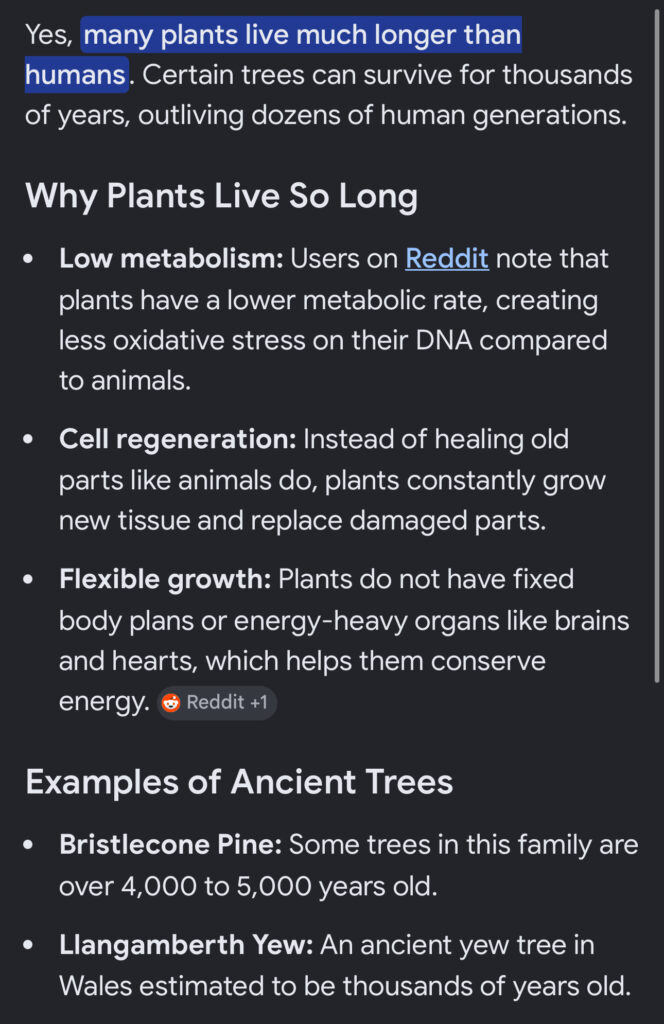
I want to live more than 5000 years.